Smart Gadgets Leading Innovation In 2026
The digital world is shifting faster than most people realize. Every tap, command, and automated response is part of a larger transformation that is quietly reshaping how humans live and interact with technology. You are not just using devices anymore, you are participating in an interconnected intelligence layer that grows smarter every day.
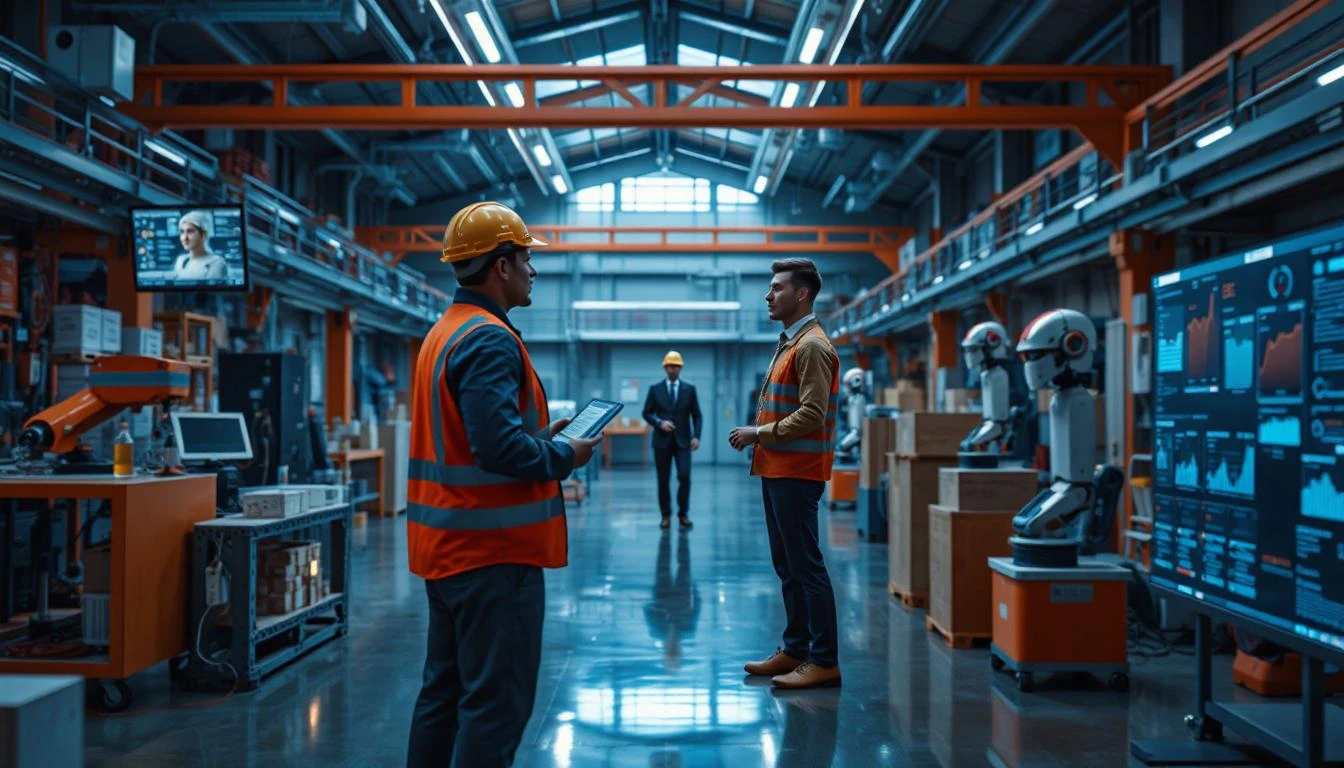
In this evolving landscape, smart gadgets driving innovation trends are becoming the backbone of modern digital ecosystems. This shift is deeply influenced by connected device technology advancements, which are redefining how machines communicate, adapt, and respond across global marketplaces, homes, and industries.
Next Generation Smart Devices
The next wave of technology is not about isolated innovation anymore, but about systems that think together. Devices are no longer standalone tools, they are becoming part of a living digital network that continuously learns and evolves with user behavior.
The demand for seamless integration is accelerating, especially as consumers expect their gadgets to anticipate needs rather than simply respond. This shift is turning everyday environments into intelligent spaces where automation feels almost invisible.
AI integrated consumer gadgets
AI-powered gadgets are now deeply embedded into daily life, from predictive shopping assistants to autonomous scheduling systems. These tools are shaping digital ecosystems where decisions are supported by real-time data analysis and behavioral learning patterns.
As highlighted by tech analyst Daniel R. Whitmore, “Artificial intelligence is no longer a feature, it is the operating logic of modern consumer devices, driving personalization at scale.”
Wearable technology advancements
Wearables have evolved into continuous monitoring systems that track not just physical activity but emotional and cognitive states. They are becoming essential tools for wellness optimization and productivity enhancement.
Connected home ecosystems
Smart homes are now adaptive environments where lighting, security, and climate systems interact dynamically. These ecosystems represent a major leap in how smart gadgets driving innovation trends are shaping daily living experiences.
Features Shaping User Experience
User experience in 2026 is defined by anticipation rather than interaction. Devices now operate with predictive intelligence, reducing friction and increasing efficiency across every digital touchpoint.
The influence of connected device technology advancements is especially visible in how seamlessly systems now communicate across platforms, creating unified digital experiences.
Voice controlled functionality
Voice interfaces have become the primary interaction layer for many smart ecosystems. Users can now control entire environments through natural speech, eliminating traditional barriers of complexity.
Energy efficient device design
Energy optimization is now built into device architecture. Smart systems dynamically adjust power consumption based on usage patterns, supporting sustainability goals without sacrificing performance.
Personalized smart assistance
Digital assistants are evolving into deeply contextual systems that understand habits, preferences, and behavioral signals. This enables a level of personalization that feels increasingly intuitive and human-like.
Market Trends and Consumer Demand
Global demand for smart ecosystems continues to rise as users prioritize efficiency, connectivity, and convenience. Markets are rapidly adapting to a future where interoperability is not optional but essential.
The expansion of smart gadgets driving innovation trends is pushing manufacturers to design systems that work seamlessly across platforms and environments.
Cross device compatibility
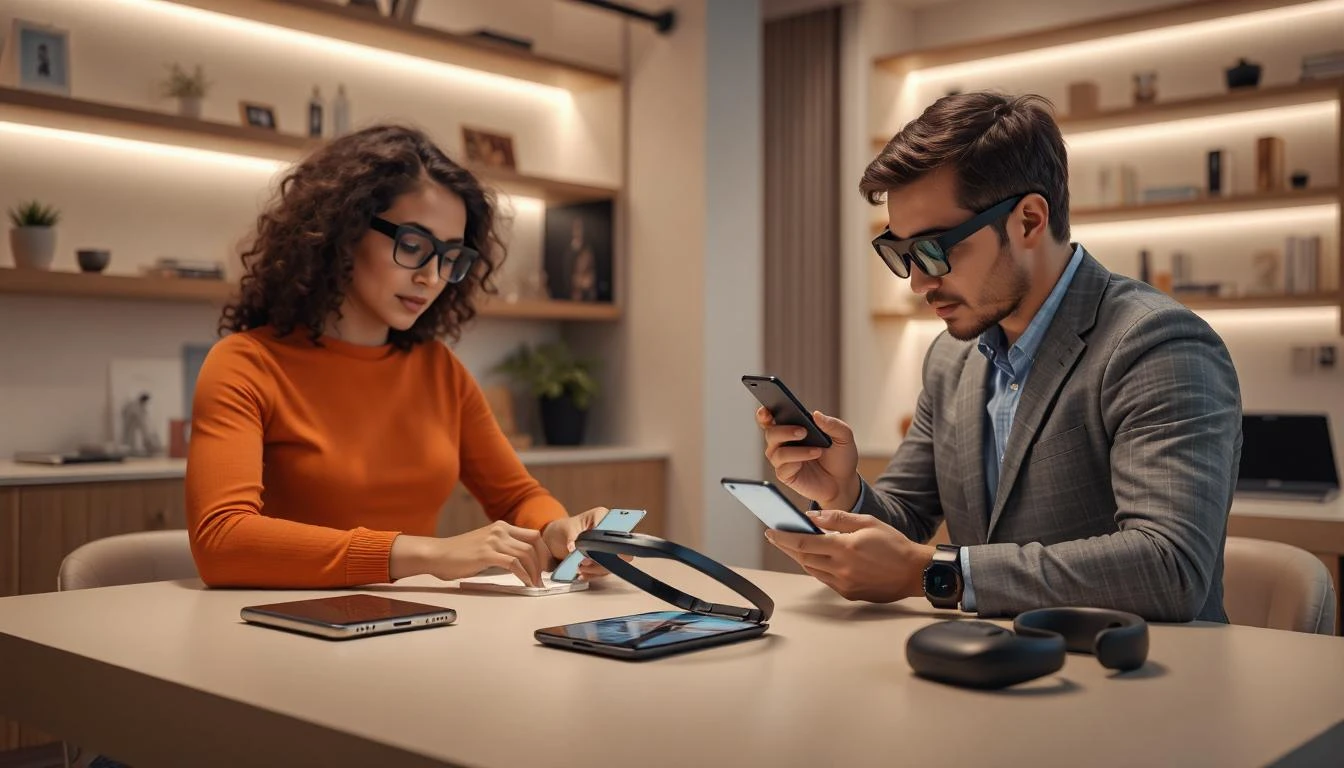
Consumers now expect frictionless integration between devices. Smartphones, wearables, and home systems must operate as a unified ecosystem without technical barriers.
Health monitoring innovations
Health-focused technology is becoming one of the fastest-growing segments in the smart device industry. Continuous monitoring systems are enabling preventive healthcare strategies that were previously impossible.
Portable productivity solutions
Work is no longer tied to a single location. Portable smart devices are empowering users to maintain productivity anywhere, reinforcing the global shift toward flexible work environments.
As futurist Lena Ortiz states, “The future of productivity will not be defined by where you work, but by how intelligently your devices work with you.”
Discover The Best Smart Gadgets For Your Lifestyle
Choosing the right smart ecosystem is now a strategic decision rather than a casual purchase. Users are evaluating devices based on integration capability, adaptability, and long-term digital compatibility.
Search behavior shows rising interest in queries like best smart home ecosystem for beginners 2026 and how to choose AI-powered wearable devices for health tracking, reflecting a deeper intent behind consumer decisions.
The evolution of connected device technology advancements is also shaping global marketplaces, where intelligent systems are becoming central to both personal and professional environments.